I translate cutting-edge AI into tools that solve real biomedical problems β from molecular diagnostics to drug discovery for neurodegenerative diseases. Every pipeline I build is validated with lab-generated biological data through closed-loop iteration, benchmarked as field-leading performance, and released with the first open benchmarks in each domain to advance the community.
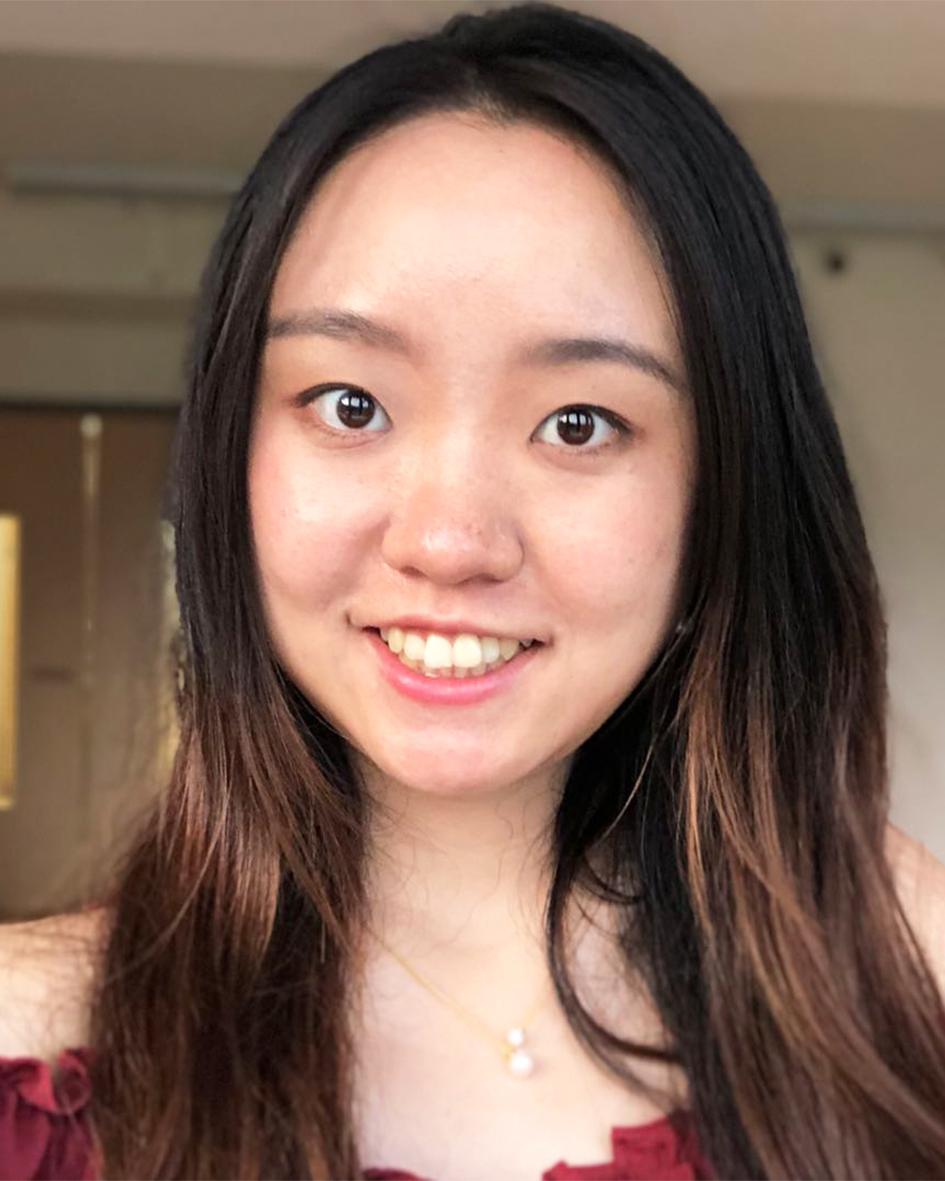
A recurring theme across my work: powerful AI tools exist, but they rarely reach the biologists, clinicians, or patients who would benefit most. My research closes that gap β not by applying off-the-shelf models, but by building domain-customized AI pipelines that are trained and validated on our own lab-generated biological data, iteratively refined through closed-loop experimental feedback, and benchmarked to deliver field-leading performance. Equally important, I build the first open benchmarks in each domain I enter β from droplet microfluidics to AD-tau inhibitor compounds β so that others can build on this foundation. During my PhD, I developed training-free AI pipelines that brought foundation models into molecular diagnostics. Now at UCLA, I apply the same philosophy to designing small-molecule therapeutics for Alzheimer's and Parkinson's disease, where conventional drug discovery has repeatedly failed because existing AI models weren't built for the unique geometry of pathological protein fibrils.
Full list on PubMed and Google Scholar.
I believe the best science comes from a full life. When I'm not at the bench or debugging model architectures, you'll find me on a trail, in a museum standing too long before a Monet, or road-tripping to the next national park. I write and paint in my quiet hours β it's how I think through problems that code can't solve. I'm also passionate about mentorship, and I carry that same energy into everything I do. :)
Leave a quick note and it'll float across the board below. Think of it as a virtual wave.